
- Papyri: Love-poems & fragments
from Sappho & elsewhere (2007) - Ovid in Otherworld (2006)
- The Puppet Oresteia (2008)
- Chorus 1 - Cursed with prophecy
- Chorus 2 - I ran through the wood
- Chorus 3 - Little girl lost
- Chorus 4 - Joy lives with those
- Chorus 5 - Cursed with second sight
- Chorus 6 - See how Apollo
- Chorus 7 - The labour pains
- Chorus 8 - There she goes
- Chorus 9 - Drops of holy water
- Chorus 10 - Noise is like flame
- The Britney Suite (2003)
- COVER
- TITLE-PAGE
- COPYRIGHT
- DEDICATION
- CONTENTS
- QUOTATION (Britney Spears)
- [Paul Celan:] SCHNEEPART / SNOWPART
- QUOTATION (Paul Celan)
- QUOTATION (Cut Above)
- [Wendy Nu:] keith partridge y yo
- QUOTATION (Paul Celan)
- [Paul Celan:] ERZFLITTER / ORESPARK
- QUOTATION (Paul Celan)
- Who is Wendy Nu?
- QUOTATION (ISBN)
- Nouvelle vague
- QUOTATION (Britney Spears)
- [Paul Celan:] KALK-KROKUS / CHALK-CROCUS
- QUOTATION (Paul Celan)
- Letter to the author
- [Wendy Nu:] mr darling writes to penthouse forum
- QUOTATION (Paul Celan)
- [Paul Celan:] DAS GEDUNKELTE / DARK
- QUOTATION (Paul Celan)
- QUOTATION (John Felstiner)
- QUOTATION (Nine Days)
- It’s always too late ...
- QUOTATION (Britney Spears)
- [Paul Celan:] BEIDHÄNDIGE / BOTH-HANDED
- QUOTATION (Paul Celan)
- 31 Days (2009)
- François Villon, “Ballade à s’amie”
- Heinrich von Kleist, from Die Marquise von O
- Jorge Luis Borges, “El puñal”
- Victor Hugo, from Les Misérables
- Karl Kraus, from Aphorismen
- Garcilaso de la Vega, “Soneto XXXVII”
- Guillaume Apollinaire, from L'Hérésiarque & Cie
- Johann Wolfgang von Goethe, “Gefunden”
- Benito Pérez Galdós, from Fortunata y Jacinta
- Pierre de Marivaux, from Le Legs
- Arthur Schopenhauer, from Aphorismen
- José Lezama Lima, “Retrato de Don Francisco de Quevedo”
- François-René de Chateaubriand, from Mémoires d'Outre-Tombe
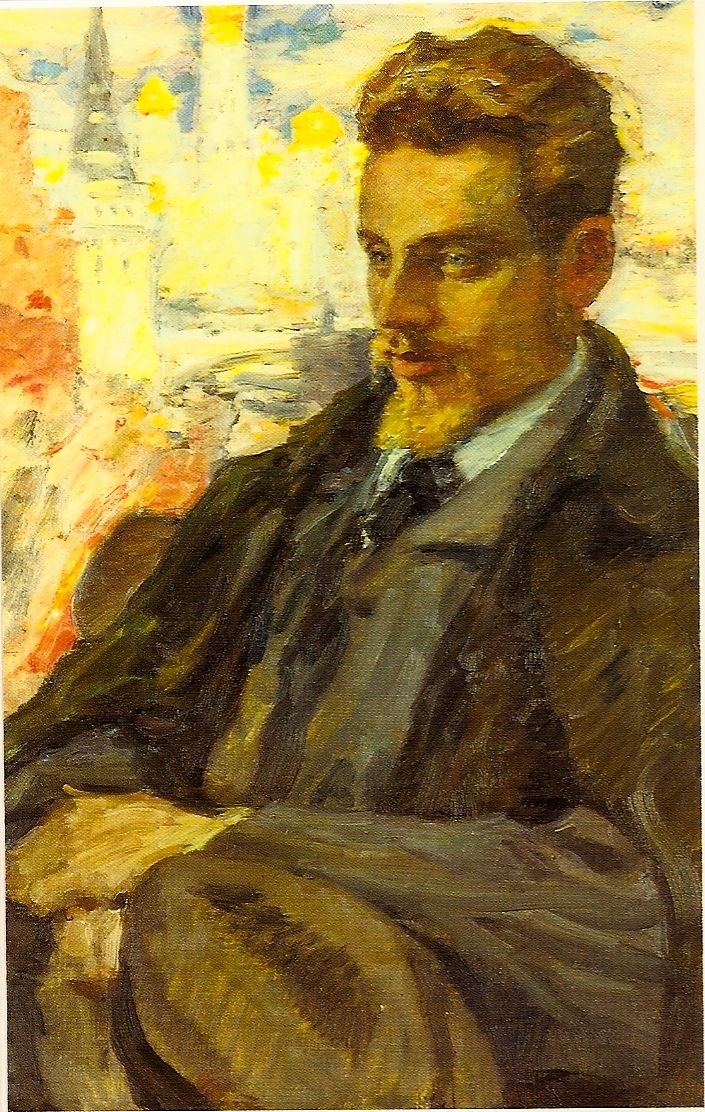
- Rainer Maria Rilke, from Duino Elegies 1
- Miguel de Cervantes Saavedra, from El ingenioso hidalgo Don Quijote de la Mancha
- Arthur Rimbaud, “Ô saisons ô châteaux”
- Friedrich Heinrich Karl de la Motte Fouqué, from Undine
- D. F. Sarmiento, from Facundo: Civilización y Barbarie en Las Pampas Argentinas
- Voltaire, from Abrégé de l'Histoire Universelle depuis Charlemagne jusques à Charlequint
- Heinrich Heine, “Orpheisch”
- Augusto Roa Bastos, from "La Excavacion”
- Gérard de Nerval, “El Desdichado”
- Franz Kafka, from "Josefine, die Sängerin oder Das Volk der Mäuse"
- Sor Juana Inés de la Cruz, from Respuesta a Sor Filotea de la Cruz
- Georges Perec, from La Disparition
- Jakob & Wilhelm Grimm, from “Der Froschkönig oder der eiserne Heinrich”
- Leopoldo Lugones, “Historia de mi muerte”
- Vincent Voiture, “Pour vos beaux yeux et vostre beau visage”
- Theodor Fontane, from Vor dem Sturm
- Octavio Paz, from “La verdad contra el Compromiso”
- Jackson Wills, “Jackson's Assignment”
- Case Studies (2001)
- Flying Blind (2009)
- Theme & Variations (2010)
- Celanie: Poems & Drawings after Paul Celan (2010-12)
- Jack Ross: Poems
- Emma Smith: Drawings
- Jack Ross: Textual Notes
- Melbourne Notebook (2011-12)
- Marie de France: The Nightingale
- Choruses from the Society of Inner Light
- A Clearer View of the Hinterland (2014)
- Jack Ross: Textual Notes
- Poetry Specials (2008-2026)
- Minotaur (2008)
- Je donne à mon espoir (2008)
- Volcanic Glass (2009)
- Poets at Seven Years Old (2009)
- Silhouette (2009)
- Pale Star (2011)
- Lounge Room Tribalism (2011)
- Britain's Missing Top Model (2011)
- Except Once (2012)
- Jay Checks His Father into a Home (2014)
- Ice Road Trucker (2015)
- Antigone (2015)
- 1942 (2016)
- Canberra Tales (2017)
- Rather a shock (2017)
- Time for an outing (2017)
- Malinche Dreams (2018)
- Scurvy Grass (2022)
- Unpopular Mechanics (2024)
- BECN (2024)
- Reading Cold Mountain in interesting times (2026)
- Collage Poems (1997-2005)
- Jack’s Metamorphoses (1997-98)
- Conversation Pieces (1997-98)
- Wharfbury Dogs (1998)
- Evenings in the Blackout (1998)
- Dieting. I’m Hungry too (2000)
- In the Cave of Henry James (2000)
- Ancestral Voices (2001)
- Satan’s School for Girls (2002)
- Anamorphoses (2002)
- Postcards (2002-3)
- Servants of the Wankh (2002-3)
- Suburban Apocalypse (2001-4)
- Days Under Water (2001-4)
- Citizens of the People’s Republic of Freaktown (2003-4)
- Muses (for Joanna Margaret Paul) (2004-5)
- Notes
- Can Poetry Save the Earth? (2018)
- John Clare: The Skylark (1835)
- I ♥ NZ (1999)
- Family Plot (2015)
- What to do till the sentinels come (2018)
- 1942 (2016)
- My Uncle Tommy (2018)
- Paul Celan: Matter of Britain (1957)
- Fernando Pessoa (2000)
- Three Versions from Rilke (2019)
- Orpheus. Eurydike. Hermes (1997)
- Herbsttag (1997)
- Archaïscher Torso Apollos (2019)
- The Oceanic Feeling (2021)
- Jack Ross: Online Notes
- The Zero Suite (2023)
- Give blood (26/1-7/2/08)
- Zero at the Bone (12-15/3/08)
- April Fool’s Day (1/4-18/6/09)
- Returning to Auckland after Dark (6/9-1/10/13)
- A Traveller on the Road to Emmaus (2/1-29/8/16)
- Zero is lying down today (18/1/16-22/10/17)
- New Year 2016 (19/1/16-19/10/17)
- Last night the heat got (28/1/16-7/5/17)
- What to do till the sentinels come (11-23/4/18)
- All I want (2/9/22-8/4/23)
- Catullus 101 (12/9/22-28/5/23)
- Dawn Chorus (2026)
- Morning Song (23-25/4/26)
- Dawn Chorus (after Quasimodo) (23-24/4/26)
- And the hardworking bees ... (25-27/7/26)
- Tesseract (2026)
- Jack Ross: Online Notes

•

•

•

•

•

•

•

•

•

•

•

•

•

•

•
•

•

•

•


.jpg)